Tight or Loose, Passive or Aggressive
Most player types come down to two questions. How many hands does a player play: few (tight) or many (loose)? And how do they play them: mostly checking and calling (passive), or betting and raising (aggressive)? A TAG is tight and aggressive, a calling station is loose and passive, a maniac is loose and as aggressive as it gets.
The Player Types

Shark
A strong, winning player who makes money from the weaker players at the table.
How to spot one: Plays a solid range, adjusts to each opponent, and rarely makes a big mistake. Often the quietest player at the table.
How to play against one: Avoid marginal spots against them, don't bluff them light, and look for softer players to take chips from.
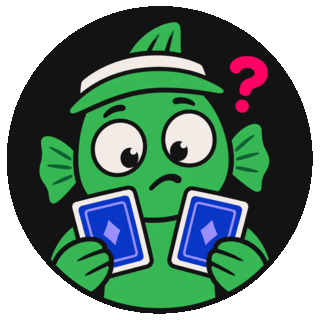
Fish
A weak, recreational player who plays too many hands and calls too much.
How to spot one: Limps and calls preflop with a wide range, chases draws without the odds, and shows down weak hands.
How to play against one: Value bet more often and bigger, bluff less, and keep the pots heads-up with them when you can.

Whale
A fish with a big bankroll and little concern for losing it, often in more than half the pots.
How to spot one: Plays a huge number of hands, reloads without hesitation, and treats the game as entertainment.
How to play against one: Value bet thin and big, keep them happy at the table, and skip the fancy plays: they call.
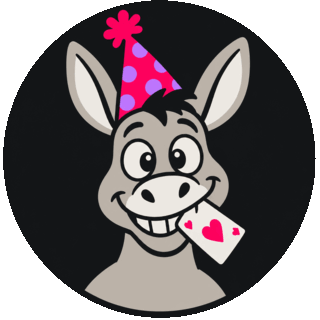
Donkey
A player who makes really bad plays, often unpredictably. Usually said as an insult.
How to spot one: Overplays weak hands, makes big bets that make little sense, and gets it in badly.
How to play against one: Play a solid range and let them make the mistakes; don't get pulled into their wild pots with marginal hands.

Rock
A very tight player who plays few hands and mostly raises or folds.
How to spot one: Long stretches of folding, then a raise. Shows down strong hands.
How to play against one: Steal their blinds, fold to their big bets unless you're strong, and don't pay them off.
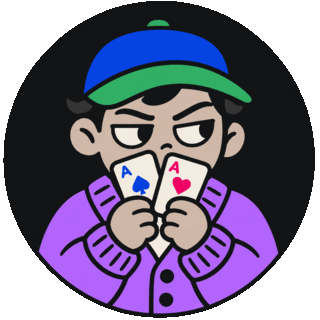
Nit
An extremely tight, risk-averse player who only plays top hands.
How to spot one: Folds almost everything preflop and gives up quickly without a strong hand.
How to play against one: Raise and re-steal often, bet into them when they check, and believe them when they show aggression.

Calling Station
A player who calls almost every bet and rarely raises or folds.
How to spot one: Calls down with second pair and weak draws, and almost never bluffs or raises.
How to play against one: Never bluff them. Bet your good hands for value, street after street, and size up.

Maniac
A hyper-aggressive player who raises and re-raises with almost any two cards.
How to spot one: Huge numbers of raises, wild bluffs, and big swings in their stack.
How to play against one: Tighten up, let them bet into your strong hands, and call down lighter than usual when you have showdown value.

TAG
Tight-aggressive: plays a selective range of hands and plays them aggressively.
How to spot one: Raises rather than limps, bets when they hit, and folds when they don't. The standard winning style.
How to play against one: Respect their raises, steal when they fold too much, and use position against them.

LAG
Loose-aggressive: plays many hands and puts constant pressure on the table.
How to spot one: Lots of raises and three-bets, many pots contested, and well-timed bluffs. Skilled LAGs are tough opponents.
How to play against one: Three-bet them back, call down a little lighter, and don't fold to every bet.

Reg
A regular: plays often, usually a solid TAG-style game, and is in the game to win.
How to spot one: Familiar face at the table, steady play, and few obvious mistakes. A table full of regs is a tough table.
How to play against one: Look for small edges, avoid big confrontations without an edge, and find tables with more recreational players.

Unknown
A player you haven't seen yet.
How to spot one: No history: treat them like the typical player in your game until they show you otherwise.
How to play against one: Watch their first hands closely, note what they show down, and give them a type once you have a read.
Spotting Them by the Numbers
Players who use tracking software read these types from two numbers: VPIP, the share of hands a player voluntarily puts money in preflop, and PFR, the share they raise preflop. These are rough guides for 6-max No-Limit Hold'Em; in Omaha everyone plays more hands, so the numbers run higher.
| Type | VPIP | PFR | Style |
|---|---|---|---|
| Shark | varies | varies | adjusts to the table |
| Fish | 35% or more | much lower than VPIP | passive: calls |
| Whale | 50% or more | usually low | loose, often passive |
| Donkey | varies | varies | erratic |
| Rock | about 12–15% | close to VPIP | raises or folds |
| Nit | under 12% | close to VPIP | folds to pressure |
| Calling Station | 35% or more | much lower than VPIP | passive: calls almost everything |
| Maniac | 50% or more | close to VPIP | extremely aggressive |
| TAG | about 18–25% | a few points below VPIP | aggressive |
| LAG | about 25–35% | a few points below VPIP | very aggressive |
| Reg | usually 18–25% | a few points below VPIP | solid, aggressive |
Poker Player Types FAQ
What are the types of poker players?
The common types are sharks, fish, whales, donkeys, rocks, nits, calling stations, maniacs, TAGs, LAGs and regs. Most come down to two questions: how many hands a player plays (tight or loose) and how they play them (passive or aggressive).
What is a fish in poker?
A fish is a weak, recreational player who plays too many hands and calls too much. Against a fish, value bet more and bluff less.
What is a whale in poker?
A whale is a fish with a big bankroll and little concern for losing it. Whales play a very large share of hands, often 50% or more, and play big pots loosely.
What is the difference between a nit and a rock?
Both are very tight. A rock plays few hands and mostly raises or folds; a nit is even tighter and more risk-averse, folding almost everything without a premium hand.
What is the difference between a TAG and a LAG?
A TAG (tight-aggressive) plays a selective range of hands aggressively. A LAG (loose-aggressive) plays many more hands with the same aggression, putting constant pressure on the table.
What is a calling station?
A calling station calls almost every bet and rarely raises or folds. Never bluff one; bet your good hands for value instead.
How do you play against a maniac?
Tighten up and let the maniac bet into your strong hands. Call down lighter than usual when you have showdown value, rather than trying to out-bluff them.